
Launch Your Career as a Certified Home Health Aide
Master critical patient care skills, pass your state competency evaluation on the first try, and deliver life-changing care in home-based settings.
Exam Questions
60 to 75 multiple-choice questions (varies slightly by state testing vendor)
Time Limit
90 to 120 minutes
Passing Target
70% to 75% scaled score on the written evaluation, plus 100% on safety-critical practical skills
Access Tier
Free Instant Access
What is a Home Health Aide?
Healthcare career overview, clinical scope of practice, and professional expectations
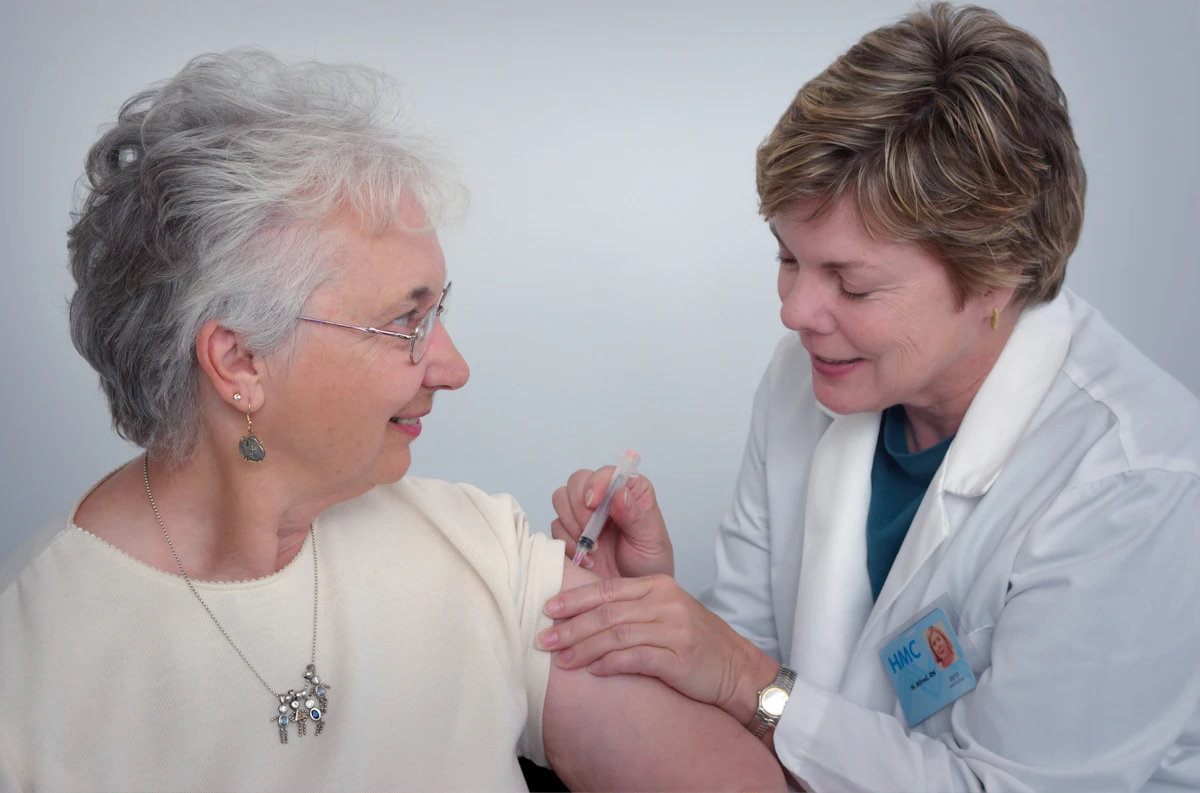
A Home Health Aide (HHA) is a trained, compassionate caregiver who supports individuals who need help caring for themselves at home. Many of the people they help are elderly, living with long-term disabilities, or recovering from serious illnesses or surgeries. Instead of working in a crowded hospital, HHAs travel to a client's residence to help with vital everyday activities. These fundamental routines, often referred to as Activities of Daily Living, include bathing, dressing, meal preparation, moving safely around the house, and keeping track of vital signs like blood pressure and pulse. Working as an HHA bridges the gap between independent living and institutional hospital or nursing home care. HHAs operate under the formal supervision of registered nurses and healthcare providers. While they do not diagnose illnesses or perform surgery, they serve as the crucial daily 'eyes and ears' of the clinical team. By observing changes in a client's condition—such as a new cough, swelling, confusion, or poor appetite—and reporting these shifts immediately to the supervising nurse, HHAs prevent medical emergencies and reduce hospital readmissions. Their comforting presence, attentive observation, and one-on-one personal attention empower vulnerable clients to remain safe, dignified, and comfortable within their own homes.
Who This Certification Program Is For
Core Clinical Responsibilities & Daily Scope
- 1 Assisting clients with fundamental personal hygiene routines, including bed baths, showering, oral care, and safe dressing.
- 2 Monitoring, recording, and reporting baseline vital signs, including body temperature, pulse, respiration rate, and blood pressure.
- 3 Supporting safe client transfers and active or passive range-of-motion exercises using assistive devices such as gait belts and walkers.
- 4 Maintaining rigorous infection control practices through standard precautions, hand hygiene, and medical surface sanitization.
- 5 Preparing balanced meals that strictly follow client-specific dietary limitations, such as low-sodium or diabetic nutritional plans.
- 6 Recognizing subtle clinical and cognitive alterations, maintaining patient confidentiality, and reporting emergencies promptly to the supervising nurse.
Official Examination Format & Scoring Blueprint
Standardized test specifications, domain weight distributions, and passing thresholds
Test Format
Dual-component evaluation: Computer-based or paper written exam paired with an in-person clinical skills practical demonstration.
Question Count & Time
60 to 75 multiple-choice questions (varies slightly by state testing vendor) (90 to 120 minutes)
Passing Score Standard
70% to 75% scaled score on the written evaluation, plus 100% on safety-critical practical skills
| Knowledge Domain | Weight | Questions | Key Competencies Evaluated |
|---|---|---|---|
| Core Clinical Knowledge | 40% | 25–35 Questions | Clinical protocols, patient observation, vital signs, and safety procedures. |
| Safety & Infection Prevention | 25% | 15–20 Questions | Standard precautions, PPE usage, sterilization, and emergency response. |
| Patient Rights, Law & Ethics | 20% | 12–16 Questions | HIPAA confidentiality, scope of practice, informed consent, and reporting. |
| Communication & Documentation | 15% | 8–12 Questions | Interpersonal communication, chart notes, and team coordination. |
What Our Study Hub Offers for Guaranteed First-Time Board Success
Authentic Timed Mock Exams
Practice with realistic countdown timers and passing score analytics mirroring the live board exam.
Doctoral-Curated Question Bank
Authentic board-calibrated questions featuring in-depth clinical rationales for all answers.
Active Recall Smart Flashcards
Spaced repetition decks reinforcing high-yield medical terminology and guidelines.
Free Instant Guest Trial
Begin practicing diagnostic questions immediately with no signup, credit card, or commitment required.
Clinical Practice Environments & Career Settings
Where certified Home Health Aide professionals practice nationwide
- 🏥 Medicare-certified and private home health agencies
- 🏥 Hospice and palliative home care organizations
- 🏥 Assisted living communities and residential group homes
- 🏥 Adult day health centers and community care programs
- 🏥 Private duty personal care services
Frequently Asked Questions (FAQ)
Authoritative answers on Home Health Aide state testing, passing scores, and examination rules