
Frequently Asked Questions & Testing Guidelines (CMA)
Authoritative guidance on state testing vendors, clinical training hours, examination registration, passing scores, and license reciprocity.
Verified Answers
3 Solutions
Testing Vendors
NNAAP • Prometric • NHA
Passing Standard
70% – 80% Target
Reciprocity
All 50 States
Q
What is the difference between a CMA and a CCMA?
Details
Both are accredited medical assisting credentials with equivalent clinical and administrative scope. "CMA" is awarded by the American Association of Medical Assistants (AAMA), while "CCMA" (Certified Clinical Medical Assistant) is credentialed by the National Healthcareer Association (NHA). Both are widely recognized by healthcare employers nationwide.
Q
What injection angles and needle sizes does a Medical Assistant use?
Details
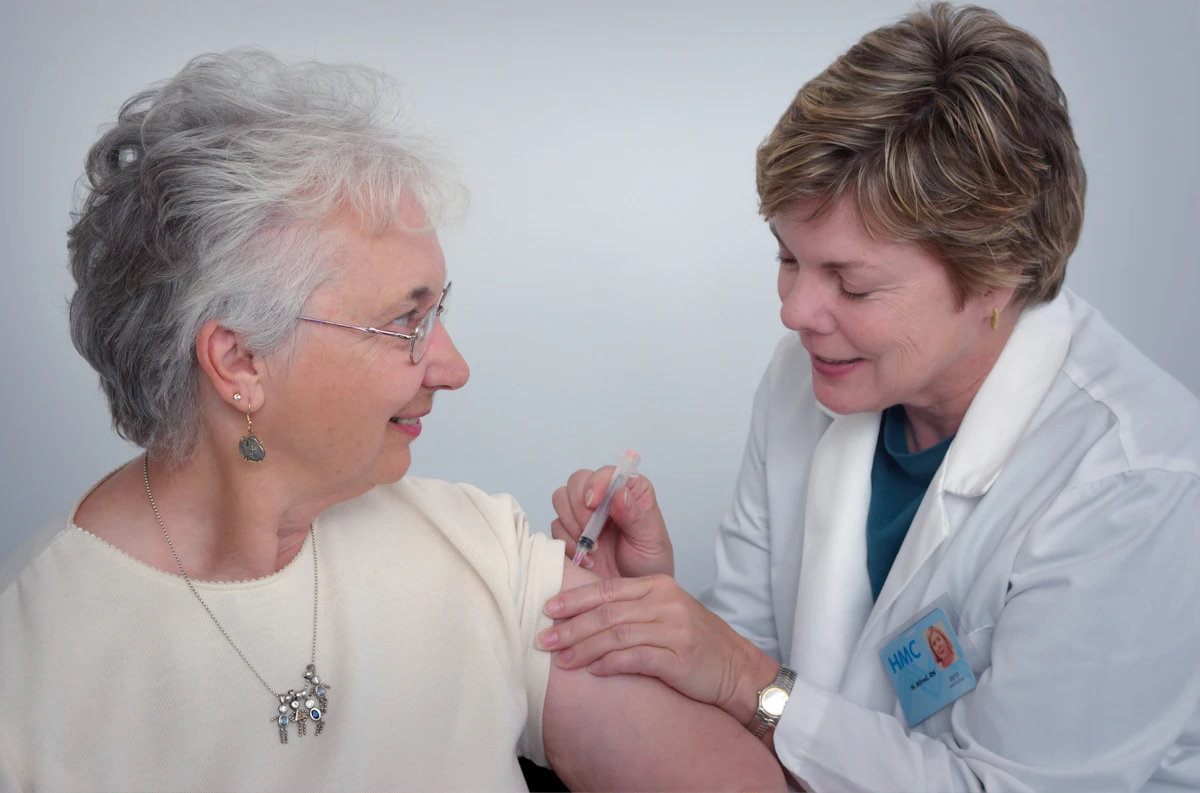
Intramuscular (IM) injections are administered at 90° with a 20G–23G, 1–1.5 inch needle; Subcutaneous (SubQ) injections are given at 45° (or 90° for short needles) with a 25G–27G, 3/8–5/8 inch needle; and Intradermal (ID) injections (such as TB tests) are administered at a 10°–15° angle with a 27G–28G, 1/2 inch needle.
Q
Can a Medical Assistant prescribe medications or give medical advice?
Details
No. Medical Assistants work under the delegated authority of a licensed physician, PA, or nurse practitioner. They cannot independently diagnose, prescribe medications, or provide independent clinical advice. They can transcribe provider orders and relay physician instructions.